

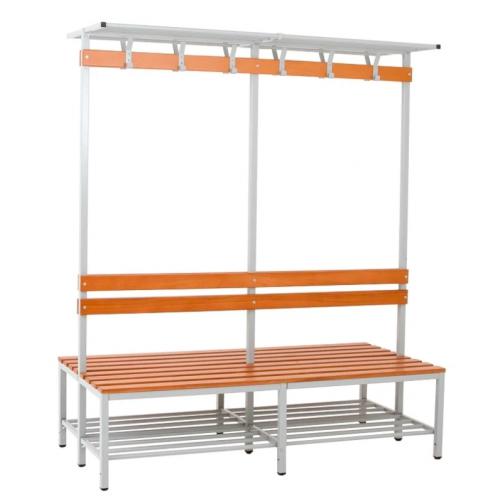
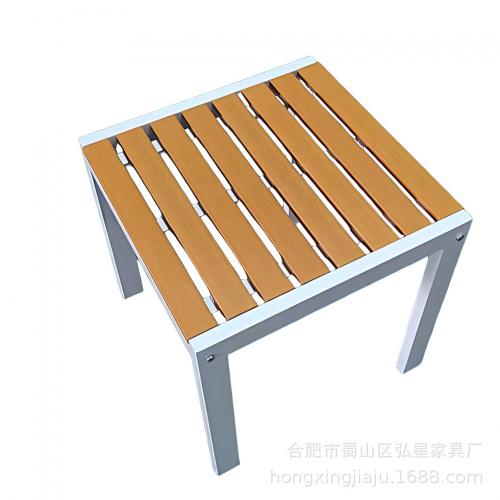
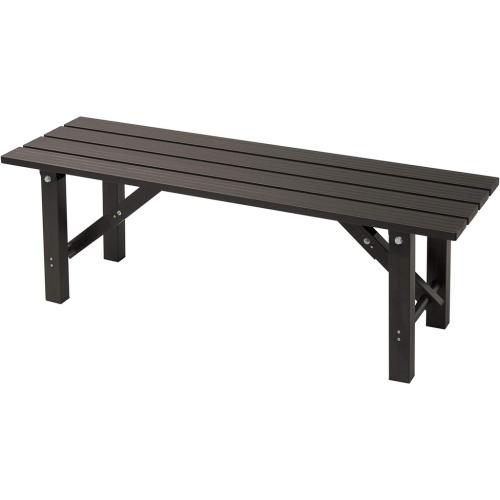
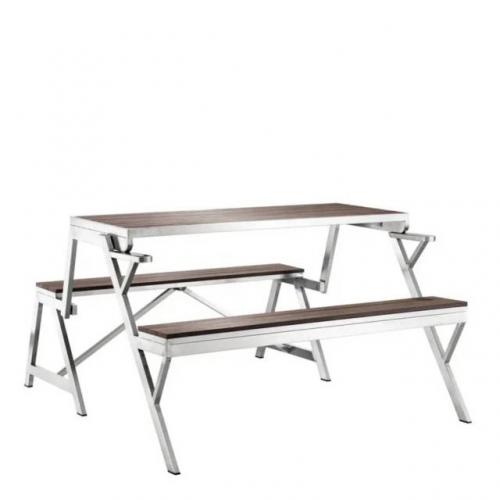
How to Choose the Best Outdoor Bench Material: Wood, Metal, or Polyethylene?
An outdoor bench is a long‑term investment. The material you choose determines whether it will look beautiful for a decade or start falling apart after one season of sun and rain. With so many options available, understanding the pros and cons of each material is the first step toward a wise purchase.
1. Natural Wood
Wooden benches offer timeless beauty, but not all woods perform equally outdoors.
-
Teak – The gold standard for outdoor furniture. Teak contains natural oils that resist water, rot, and insects. It withstands extreme weather without cracking. Pros: Extremely durable, ages to a silver patina if left untreated. Cons: Expensive; requires occasional cleaning.
-
Acacia / Eucalyptus – Affordable alternatives with rich grain patterns. They are naturally durable but need regular sealing to prevent graying and cracking. Pros: Budget‑friendly, attractive. Cons: Requires annual maintenance.
-
Pine / Cedar – Cedar is lightweight and rot‑resistant; pine must be pressure‑treated. Both are softer and prone to scratches. Pros: Lightweight, easy to move. Cons: Shorter lifespan without constant care.
2. Metal
Metal benches suit modern and minimalist spaces, but rust protection is key.
-
Aluminum – Rust‑proof, lightweight, and low‑maintenance. Powder‑coated aluminum resists fading and chipping. Pros: No rust, easy to clean, great for humid climates. Cons: Can feel light and blow over in strong winds.
-
Cast Iron / Wrought Iron – Extremely heavy and stable, often with ornate designs. Pros: Unmatched stability, classic look. Cons: Prone to rust if the coating is damaged; requires periodic repainting.
3. Synthetic Materials
-
High‑Density Polyethylene (HDPE) – Made to look like real wood but requires almost no maintenance. It resists moisture, UV rays, mold, and insects. Pros: Zero upkeep, color stays for years, eco‑friendly (often recycled). Cons: Heavier than aluminum, initial cost can be moderate to high.
Material Comparison at a Glance
| Material | Durability | Maintenance | Best For |
|---|---|---|---|
| Teak | Excellent (20+ years) | Low (clean occasionally) | Premium appearance |
| Acacia | Good (5–10 years with care) | Annual sealing | Budget‑friendly natural look |
| Aluminum | Very good (rust‑proof) | Very low | Humid or coastal areas |
| HDPE | Excellent (never rots) | None | “Set it and forget it” buyers |
| Cast Iron | Good (if rust‑treated) | Moderate (repainting) | Traditional style, windy locations |
Which Material Suits Your Climate?
-
High humidity / rainy regions → Aluminum or HDPE. They won’t rot or rust.
-
Hot, dry desert climates → Teak or powder‑coated aluminum. Teak’s natural oils prevent cracking; aluminum won’t warp.
-
Cold winters with snow → HDPE or teak. Avoid cast iron if frequent moving is needed; use covers for all materials.
Final Thoughts
Your choice depends on budget, local weather, and how much time you want to spend on upkeep. If you prefer a natural look and don’t mind annual maintenance, acacia or teak are excellent. For a maintenance‑free solution that lasts for years, HDPE or powder‑coated aluminum are the smartest picks.
Join us and get detail information,technical parameter and new products etc.
- Contact Us
 luchao8674@163.com
 Hxjiaju
 +8618019962513